AI traffic camera errors in Australia (and how to challenge them)
Published 2026-05-07 · 5 min read
TL;DR
AI mobile-phone-detection cameras (Acusensus, Saber, SafeT-Cam) achieve published accuracy of ~95-99% - which means 1-5% of detections are false positives. At ~5 million Australian fines/year, that's tens of thousands of wrongly-issued notices. The strongest challenge angle is FOI: request the AI confidence score and the pre-crop image.
If your fine looks like this:
Issued by an AI camera (not a roadside officer). Image shows a small object near your right hand. The image quality looks marginal. The fine is around A$410+ with 5 demerit points.
Step-by-step
Save every page of the notice
Photograph the front and any reverse evidence pages. The camera site code identifies the vendor, which matters for the FOI request.
Compare against known false positives
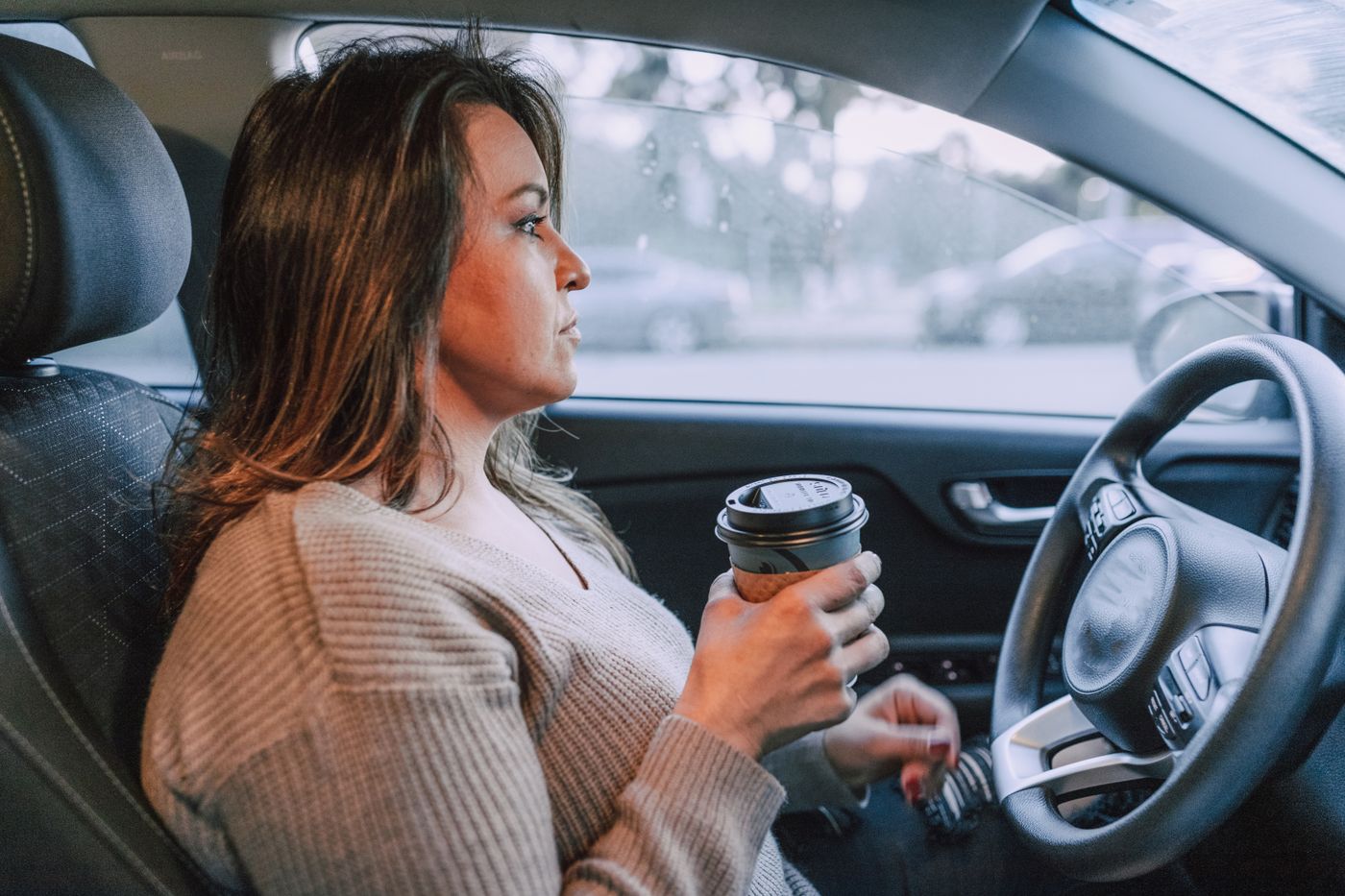
Common false positives: sunglasses cases, dark water bottles, ear-bud cases, takeaway cups, wallets, food. If what's in the image plausibly matches any of these, that's an ambiguity argument.
FOI the missing evidence
In your Section 24A submission, request: (a) AI confidence score, (b) pre-crop image, (c) AI model certification under the Evidence Act 1995 (NSW). If Revenue NSW can't produce all three, the evidentiary basis is materially incomplete.
Cite the published error rates
Astor Legal's principal lawyer Avinash Singh has commented across Carsales, Yahoo News and Seniors Discount Club on AI-camera false positives. Vendor white papers list non-zero false-positive rates. These are publicly cite-able.
Pair with the 10-year clean-record angle
If your driving record is clean, also ask Revenue NSW to apply the caution discretion under the Internal Review Guidelines. Two arguments are stronger than one.
Primary sources
- Revenue NSW: Mobile phone detection cameras
- WhichCar: AI cameras driving surge in fines
- Astor Legal: How to challenge an AI traffic camera fine
Common questions
- What's the actual error rate on these cameras?
- Vendors publish accuracy figures around 95-99%, which still implies a measurable false-positive rate at scale. State governments do not generally publish per-deployment confusion matrices.
- Will the FOI request actually be answered?
- Sometimes. Revenue NSW often responds with a cropped final image only. The absence of the pre-crop image and AI confidence score is itself an argument: the evidentiary basis is incomplete.
- Does this work for speed cameras too?
- Speed cameras are different - they're not AI-classifying detections. The relevant angles for speed are calibration, signage, and statutory defences, not AI confidence.
Got a fine you want unbooked?
Snap your notice for a free 60-second check. A$39 flat — and nothing to pay if we don't find a real angle.
Check my fine — free →Free analysis · You sign & lodge it yourself · Not a law firm